The Current State of UK Horse Racing: What Happens When Racing is Not On
UK horse racing is a sport steeped in tradition and history, capturing the hearts and wallets of millions. However, what happens in the racing world when there are no events scheduled? For fans and bettors, the absence of racing can present certain challenges and opportunities. This article explores the impact of days when UK horse racing is not on, providing insights into how industry stakeholders adapt, alternative betting options, and the broader implications for the racing community. For those fans seeking action during off days, there are UK horse racing not on GamStop horse racing betting not on GamStop options available, allowing enthusiasts to continue engaging with the sport.
The Importance of Continuous Engagement
The allure of horse racing lies not only in the thrill of the races themselves but also in the continuous engagement of the community. When races are not taking place, this engagement can falter. Many fans eagerly anticipate race days, often planning their weekends and social events around the schedule of races. The absence of these events can lead to a sense of loss among regular attendees.
Moreover, horse racing events generate substantial economic activity — from ticket sales to concessions and merchandise. When races are not held, local businesses suffer as well. This has a ripple effect on the economy surrounding the venues that benefit from racing events.
Alternative Betting Options
In the world of betting, the absence of horse racing does not mean the end of opportunities. Many betting platforms offer wagering on alternative sports and events. For example, greyhound racing, which is popular in the UK, often fills the gap left by horse racing. Sports such as football, rugby, and even eSports have gained traction as alternatives, attracting both casual and serious bettors.
Another notable trend is the emergence of virtual horse racing. These are computer-generated races where bettors can wager on outcomes similar to real-life horse racing. Virtual races are available 24/7, providing continuous betting opportunities regardless of whether actual races are on the schedule. This innovation has allowed bettors to maintain their usual patterns and passion for racing.
The Psychological Aspect of Horse Racing
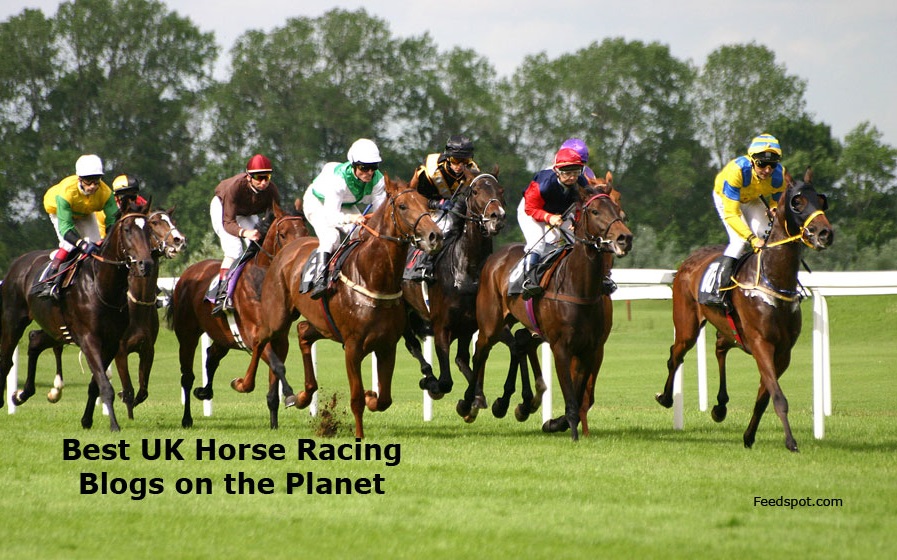
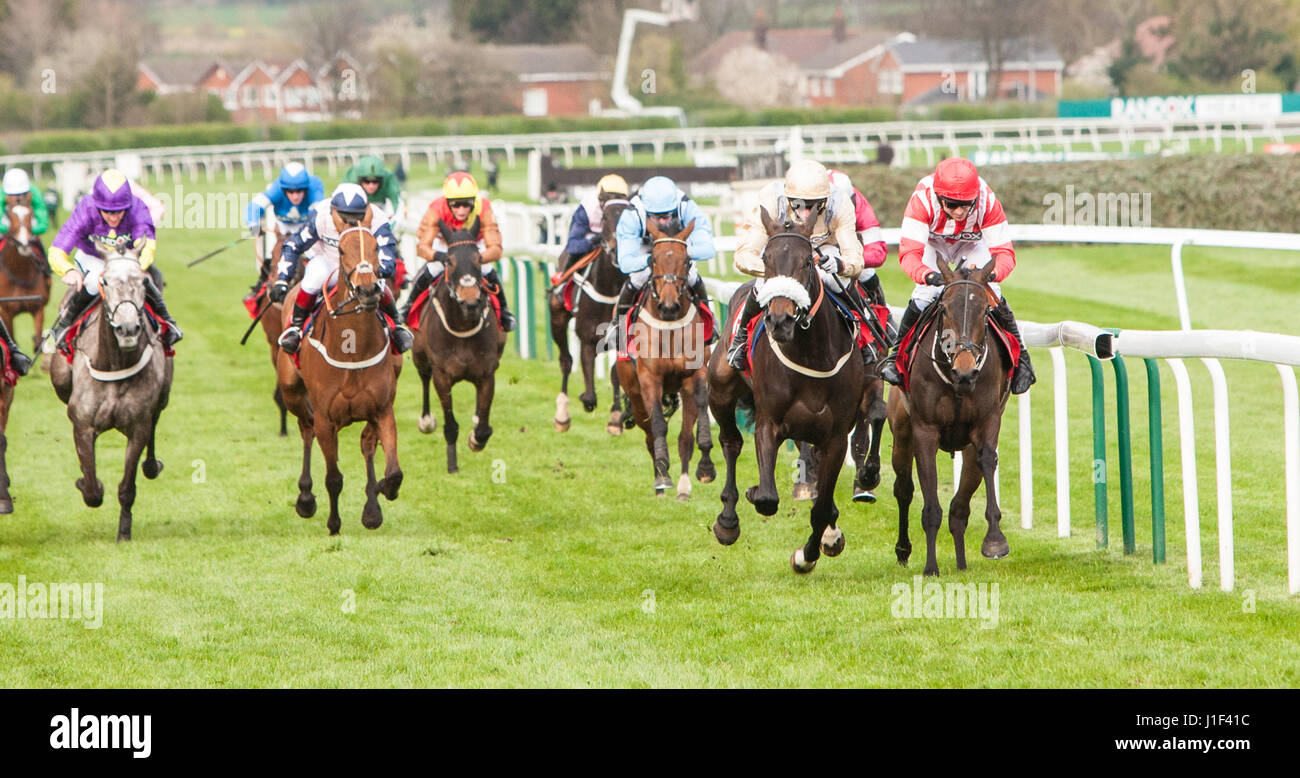
For many fans, the thrill of betting is deeply intertwined with the excitement of watching the races. The psychological aspect of experiencing the event — the sight of powerful horses galloping toward the finish line and the roar of the crowd — is irreplaceable. When no races are scheduled, fans may seek alternative outlets, such as watching past races or engaging with online forums discussing horse racing strategies and the latest news.
Additionally, the absence of live racing events can lead fans to reminisce about their favorite moments from the sport, sparking discussions that keep the community engaged. Online platforms allow fans to share their stories, analyze previous races, and discuss upcoming events, maintaining a sense of camaraderie even during off days.
Industry Adaptation and Innovations
In response to the challenges posed by non-racing days, the horse racing industry is continually evolving. Organizations and tracks often turn to creative solutions to engage their audience. These solutions may include virtual events, informational webinars, and interactive online forums where fans and industry experts discuss racing strategies or provide insights into horse training.
Moreover, some racing authorities have started collaborating with health and fitness initiatives that incorporate horse racing, generating interest through educational programs about equestrian care and riding lessons. These programs not only keep the community connected but also promote the sport in a broader context.
A Cultural Perspective
Horse racing is much more than just a sport in the UK; it is a significant cultural phenomenon. Events like the Grand National or Royal Ascot are social spectacles that draw enormous crowds. When horse racing is not on, cultural programs may take the place of these events; many racing event organizers focus on harnessing the social aspects of racing by hosting parties, charity events, and community initiatives.
Furthermore, diversity in racing is encouraged during these off-times, with initiatives aimed at promoting lady riders and underrepresented groups within the racing community. By focusing on inclusivity and support, the industry strives to enhance its reputation and ensure a robust fan base during seasons of regular racing.
Future Outlook
The future of horse racing in the UK appears promising, with continuous innovations aiming to sustain fan engagement and industry stability during lulls in racing schedules. Whether through virtual racing, diverse betting options, or maintaining cultural relevance, the industry is poised to adapt to changing times and preferences.
Ultimately, the challenge of racing not being on is met with industry resilience and the ingenuity of fans and stakeholders alike. Through creative solutions and a shared passion for the sport, the community will continue celebrating horse racing in all its forms.
Conclusion
In conclusion, the impact of UK horse racing not being on extends beyond mere inconvenience; it affects economic interests, community engagement, and cultural significance. However, the industry’s adaptability and the fans’ loyalty ensure that the spirit of horse racing continues, regardless of the racing schedule. As the landscape of sports betting and fan engagement continues to evolve, horse racing remains a cherished institution that will find ways to thrive, even on days when the tracks are silent.